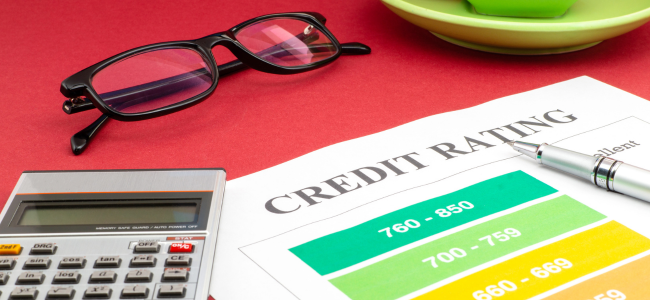
Finding errors on your credit report is very common.
Credit Bureaus make mistakes when it comes to reporting information.
Some errors such as a misspelled names or an old address can be harmless, but other errors can hurt your credit score.
This is why you should take advantage of the free yearly credit report you’re entitled to from Experian, Trans Union, and Equifax.
Under the FCRA, if a credit reporting agency is reporting any inaccurate information it will need to be corrected or removed.
Making your credit payments on time is one of the biggest contributing factors to your credit scores.
Some banks offer payment reminders through their online banking portals that can send you an email or text message reminding you when a payment is due.
You could also consider enrolling in automatic payments through your credit card and loan providers to have payments automatically debited from your bank account.
Lowering your credit utilization rate is a great way to boost your credit.
Unlike some other credit score factors, utilization is a powerful tool for improving your credit in a short time frame.
It can take months or years for your scores to recover after a late payment or bankruptcy.
However, if you could pay down all your credit cards in one month, your credit could improve dramatically.

One of the bigger errors consumers make is closing good-standing credit accounts because they believe that by having fewer accounts they’ll be demonstrating to lenders that they can responsibly manage their credit.
Unfortunately, that’s not how things work. The length of time your credit accounts are open comprises about 15% of your credit score.
If your accounts are in good standing, leaving them open for an extended period of time will help your credit score.
I’d suggest making an attempt to use your rarely used, good-standing accounts once or twice a year to ensure they stay open.
The 10% discount for signing up for a store credit card may seem worth it at the moment, but your credit score will take a hit for applying, whether you get approved or not.
The hit is small (normally around 3 to 5 points) but if you’re on the edge of two credit score tiers or applying for lots of credit offers in a short time span, you can do a lot of damage.
While others see “impossible” situations, we see opportunities for a comeback. We leverage proven dispute strategies backed by federal law to challenge inaccurate, unverifiable, and unfair reporting. Every action we take is intentional, aggressive, and designed to deliver real, lasting results for those ready to build a legacy.